My Top 5 Takeaways from Atomic Habits by James Clear
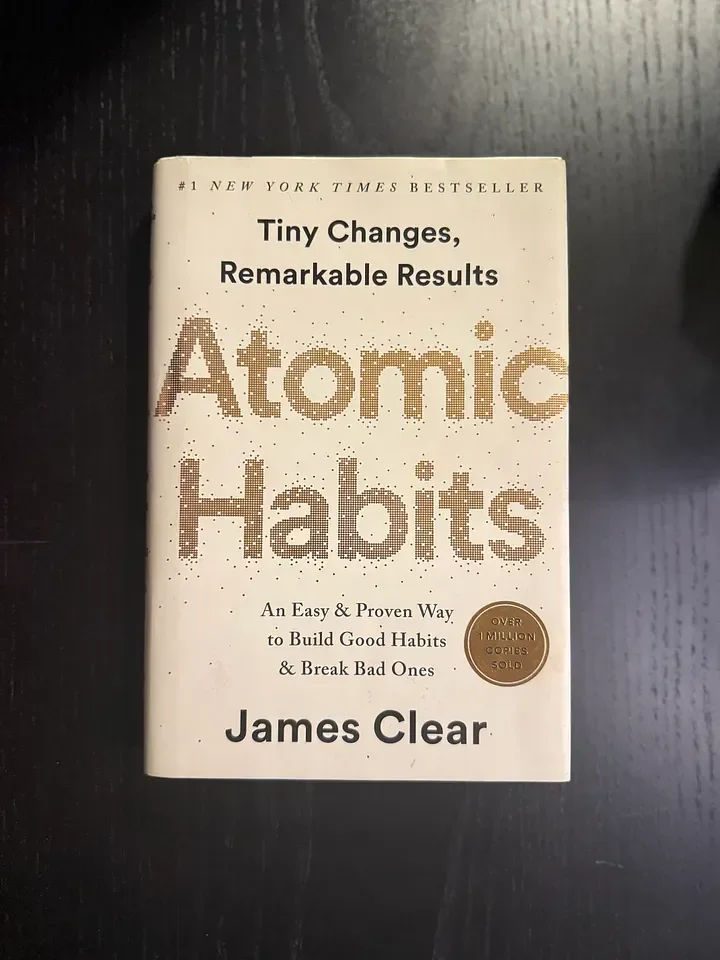
This book was filled with so many gems. It truly is the ultimate self-help book. You can read my full review of why I love it so much later but for now, here’s my 5 top takeaways that I got out of this book that spoke to me the most.
#5 Takeaway
My number 5 takeaways is about this big mindset shift that you need to have according to James that was discussed in Ch.1 of Atomic Habits. It's that you can't get so obsessed with the goals and more focused on systems. I'll talk a little more about that later in my top 5 but one of the reasons of why is that with goals, they take awhile to accomplish. So it's easy to want to give up on them while you're trudging along to hit a milestone and thus harder to hold on to happiness in the experience. If you can shift yourself to focus on being content and happy with the process itself, that's where you'll see more lasting change in your behavior.
Personally I feel like keeping yourself motivated is a hard part. So this is also why I really like paying attention to streaks. It's a way for you to give yourself credit and admiration for the little bit that you did today to keep you on track on where you're trying to go for your goals.
Which also takes me to the thought of why is it so hard to celebrate our progress?
I'm trying to do better to celebrate all the small wins in the journey because even if you haven't hit the finish line, you've progressed further than where you were yesterday. Instead of looking at it of how much more you have to go, think about it as how far you have gone. Again, self talk is a major influence here. So look at your progress, celebrate your consistency and don't wait to be proud of yourself later but be proud now that you've taken a step further in hitting your goals.
#4 Takeaway
For #4 I'm going to piggy back off of #5 to say that I didn't know that that stage of where you don't see anything changing at the conscious incompetent state is called the Valley of Disappointment. And it truly is a valley. When you don't see any noticeable changes that signals progression, that can be so discouraging. But as tempting as it is to give up, this is not the time to do so. You just have to encourage yourself to be patient and stick to the system. I liked the quote that James uses in Ch. 1 when he talks about this saying "the most powerful outcomes are delayed".
To be really transparent with you, this hit home for me. There's a few things that I'm personally doing that I'm trying to see an improvement on where I feel like I'm in that valley of disappointment. I won't name them all in particular but one is even with this Substack page. I am a huge psych nerd so I'm super passionate about learning all about research, studies, and findings that I can learn about how we as humans can live a better life and make better choices. I also use to be quite a little writer in my teen years from poetry, to journaling, to short stories, you name it, I did it. So this channel came from that - an avenue to share that love with others of what excited me the most about a book as well as to support my Learn More with Rachel service project that I’m doing.
But although I know I just started, it gets as little sad to see low views. However I know the name of the game is consistency. You just got to keep showing up. It's just like working out honestly. No one sees overwhelming improvement in just a month, but over time you really will see how all the small changes your body makes compounds and leads to you having a full transformation. I'm hoping for that for me and my Substack page so we'll see. Anyway when it comes to your habits, push through that valley of disappointment and stick to that system that you have in place. Giving up on yourself too soon isn't fair to yourself to truly see what you can grow to become.
#3 Takeaway
For my #3 takeaway, I just had to highlight this quote because it really made me pause and think about it. In Ch.1 of Atomic Habits, James says this that,
"Good habits makes time your ally. Bad habits make time your enemy."
Hmm selah.
What I got out of that quote is that time is always moving. You can’t hit the pause button on life, but what you can do is take things one day at a time and make small decisions that will add or take away from your progress. When you're making those positive decisions one small choice at a time, time really becomes your ally. You can really start looking forward to time passing by because you know you're on the right path with the right system that can get you to where you want to go and keep you there.
However, if you're making negative decisions because you're putting off again and again what you should do under the premise that "oh it's just this one time, it won't make much of a difference", in time it actually will. You're going to actually feel anxiety or dread about how time has moved on and you haven't made any progress in staying in alignment to your goals and systems.
It's funny I felt this way about my 10K step challenge when I once took it on. I didn’t feel like I needed a do over or anxious about the time that had passed because I had successfully stayed on track with it. However what I hadn't stayed on track was with my eating habits and it really did bother me because I started wondering wow how much progress could I have made if I was as committed to good eating habits as I was with my 10K step challenge? What kind of body changes could I have seen by now if I were more consistent.
Now be careful. Don't think of this quote as a reason to beat yourself up. 1 because you're human so you're not going to be perfect anyway and 2 some of you might have been like me of where you're trying to change everything in your life at once. Trust me you're setting yourself up for failure if you're doing that.
The best thing I've done is choose one thing at a time to zero in on and slowly begin to add new habits to work on in the midst as I get stronger in others. I'm telling you that as me, Rachel that's fine tuning her personal understanding of habits AND as me, Rachel the instructional designer/coach because we try to remind people in our classes/sessions that they need to focus in on just changing that one thing first so that they don't get overwhelmed. So be kind to yourself. Don't try to do it all at once. Pick one and do your best until you feel it has become a habit so that you can shift the to next one thing you want to do.
#2 Takeaway
This takeaway is number 2 because this is advice that you don't normally hear when it comes to trying to change a behavior which is why I think I agree that it was so important for James to mention it fresh out the gate in the book to give us all this foundational understanding.
Here he talks about how important it is to not get so caught up in making strong goals, and more so focus on your systems. What are those plans that you have in place where achieving the goal will be a result from it. We already talked about how you new to find joy in the process itself and that's because of this. If you focus on your trajectory, the results will take care of itself.
I love his quote of "you don't rise to the level of your goals. You fall to the level of your system".
This is why - and I'm about to say something slightly controversial so stay with me here… This is why I'm not the biggest fan of making vision boards at the beginning of the year.
Because it's like, it's great that you've made a visual of your goals but what system do you have in place to ensure that goal is achieved? Now don't get me wrong. I'm not bashing anyone who loves a good vision board. It's always nice to have some kind of visual to remind you of what you're striving for.
However I'm saying that just make sure you're not limiting it to just that. What system of habits are you creating for yourself that you can analyze and adjust to create a system that will positively contribute to who you are trying to be? That is so key. Like James says goals are great as it gives direction but get to the nitty gritty details of exactly how you're going to go about it to really see progress and that's where systems come into play.
My #1 Takeaways from Atomic Habits
The biggest mindset change that made my #1 takeaway is literally the first thing that James talks about in Atomic Habits and something you hear repeated throughout the entire book. He first gives explanation of how important it is to start small. What are those small changes that you can do that can help you and your systems to take you where you want to go in your life?
Sometimes we want to change multiple things at once as I mentioned earlier but he cautions that we should really focus on 1% incremental changes. 1% is pretty small. Like tiny. But it's necessary to start that small so that you don't get overwhelmed in the change or not be able to pinpoint what needs to be adjusted. It's this additional focus on reflecting on how you're doing and adjusting to it. And I think a lot of times we don't spend enough time really reflecting on progress.
But you have to have that scheduled in to your journey so that you can ensure that you're going in the right direction. For many habits it may just be you doing self-reflection but for other habits and skills like having stronger speaking skills, you may want to get feedback from others so that you can get a clear view of yourself and how you're doing.
For me I'm trying my best to pace myself better. Stop with my toxic ambition that I can end up being at times, and just do one thing at a time. Do the best I can with that day and try each day to see if I can move the needle just an inch forward. Since I've started doing that, I've noticed that I'm not stressed or having anxiety about my progression and that I'm not giving up on my goal as much because you know sometimes we'll just be like welp eff it I'll just try again next month or next year. But we have to be realistic with ourselves and don't take it as a personal thing if we're unable to change as quickly as we originally wanted to. It can be so hard to be patient with ourselves but you have to be if you want to keep yourself sane.
This is a book that I really would be okay with reading once a year just to keep all the nuggets of information fresh in my mind about adjusting my habits. What were your takeaways? If you’ve read the book, please share what takeaways you had from it. If you haven’t read the book yet, tell me your thoughts about the takeaways that I’ve posted. (And check out my review to help you decide if this is truly the book for you.) I hope this has encouraged you to read the book if you haven't or that you've enjoyed hearing my take on it if you have. Take care and happy reading!
